Find what you need
New to owner-operating
Authority requirements, equipment options, and what to expect in your first 90 days.
Own authority or run under ours
We break down the trade-offs, the paperwork, and what DOT compliance looks like day to day.
Cargo van to straight truck
What each vehicle is built for, what it can carry, and how to know which fits your loads.
How expedited pay works
What affects your rate, and how to keep cash flowing between loads.
The day-to-day reality
Scheduling, dispatch, hours of service, and what makes or breaks the lifestyle.

Recourse vs Non-Recourse Freight Factoring
How freight factoring works for van and box truck owners on their own MC, what recourse and non-recourse really cover, and the contract clauses…
Read the guide →
Rate Confirmation: What to Check Before You Haul the Load
A four-pass check of a broker's rate confirmation for van and box truck owners with their own MC: the sender, the load, the money…
Read the guide →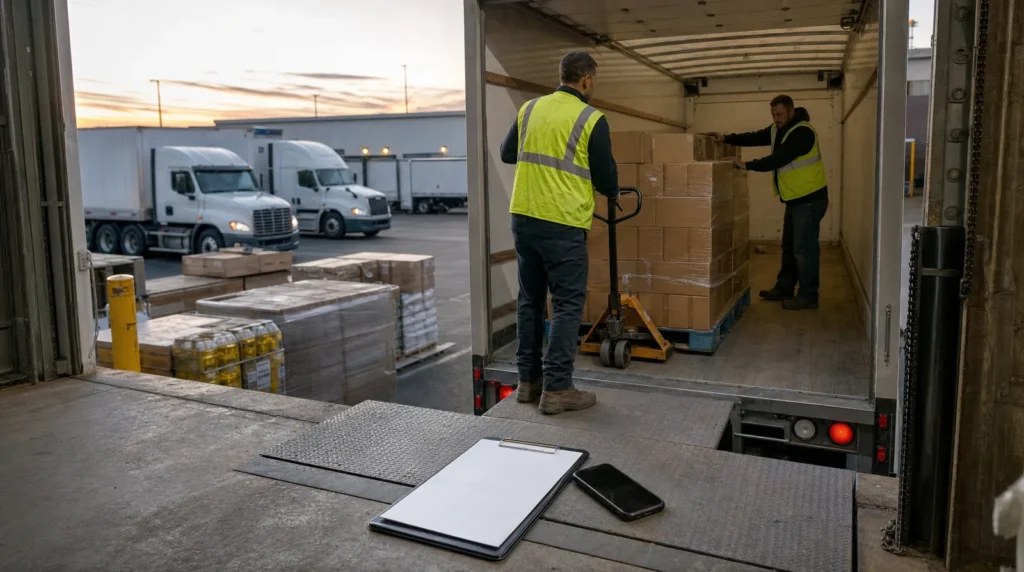
Lumper Fees: Who Pays, and How Owner-Operators Get Reimbursed
Who owes a lumper fee under federal law, how it gets paid at the dock, and the receipt and paperwork you need to get…
Read the guide →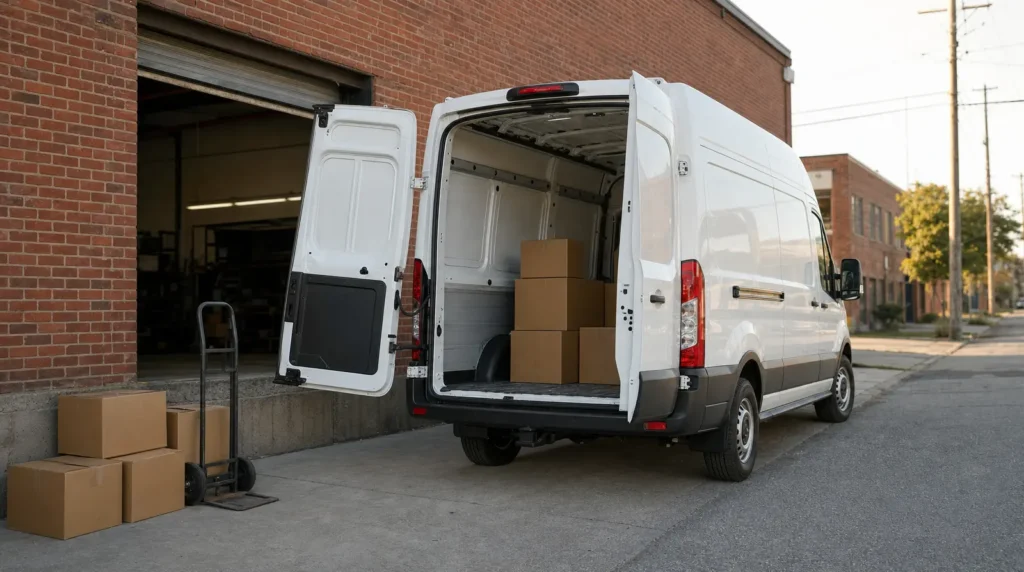
How to Start a Cargo Van Business: 4 Ways to Find Work
The four ways a cargo van finds paid freight: lease on to a carrier, your own authority and load boards, courier apps, or direct…
Read the guide →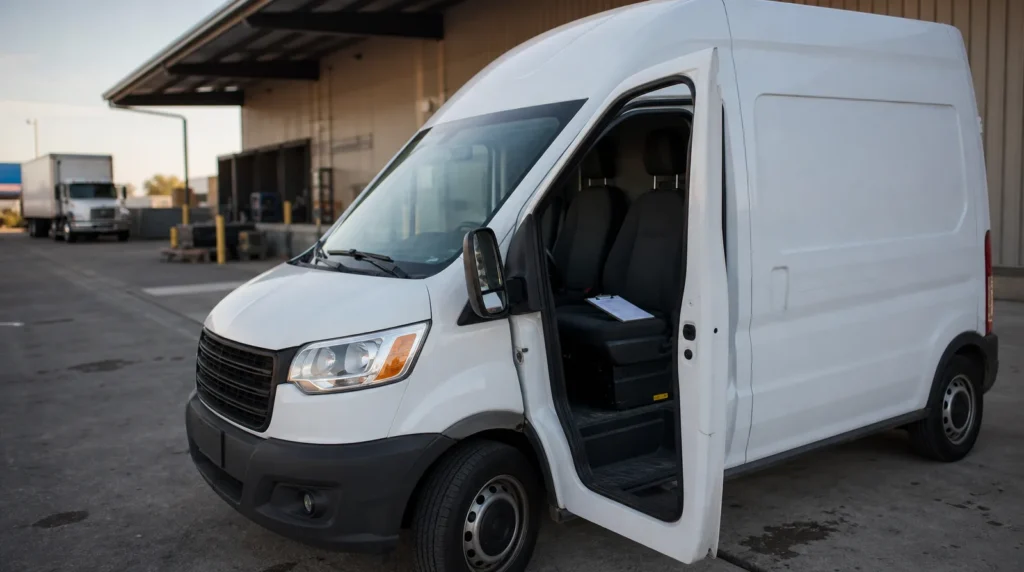
Sprinter Van Owner-Operator Jobs: What Carriers Ask For
What a carrier collects from a Sprinter owner and why: the door-jamb weight rating that decides it, the part 391 application, record checks, road…
Read the guide →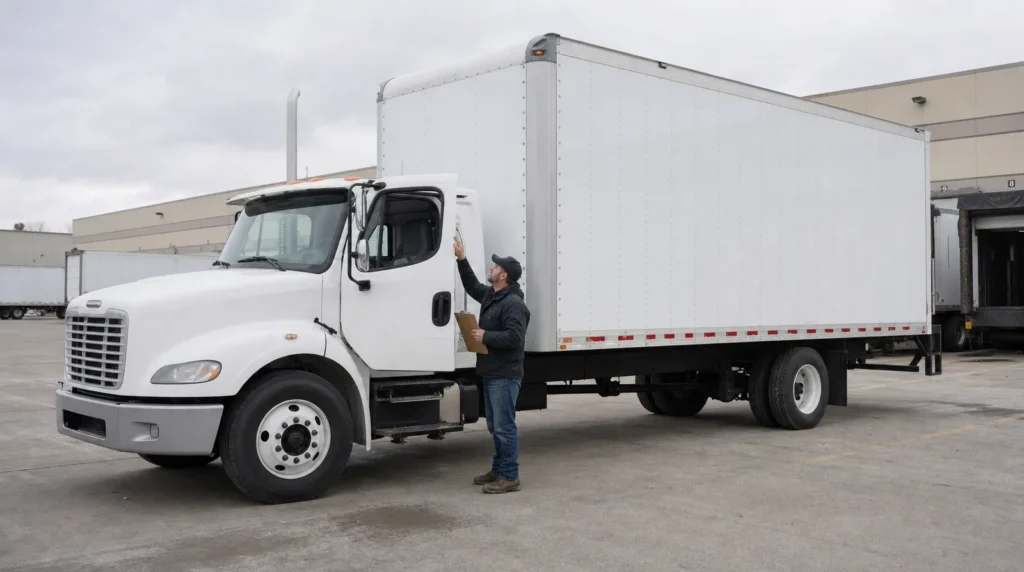
Leasing Your Box Truck to a Carrier: Door Markings, Receipts and Papers in the Cab
What changes on the truck when you lease a box truck to a carrier: the two equipment receipts, whose name and USDOT number go…
Read the guide →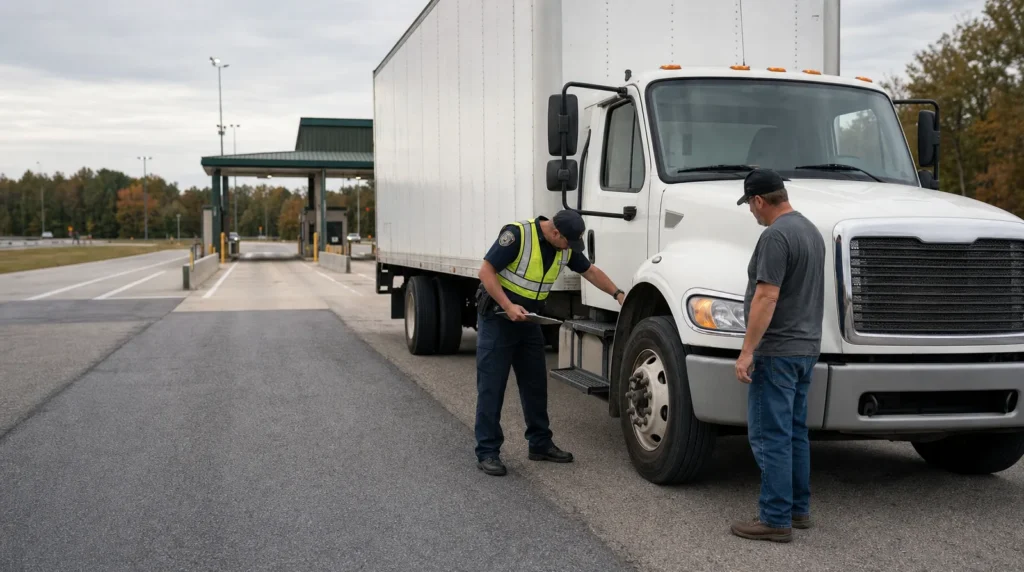
DOT Inspection Levels Explained for Box Truck and Van Owner-Operators
What each of the nine inspection levels checks, when a box truck or van is a commercial motor vehicle, what an out-of-service order means,…
Read the guide →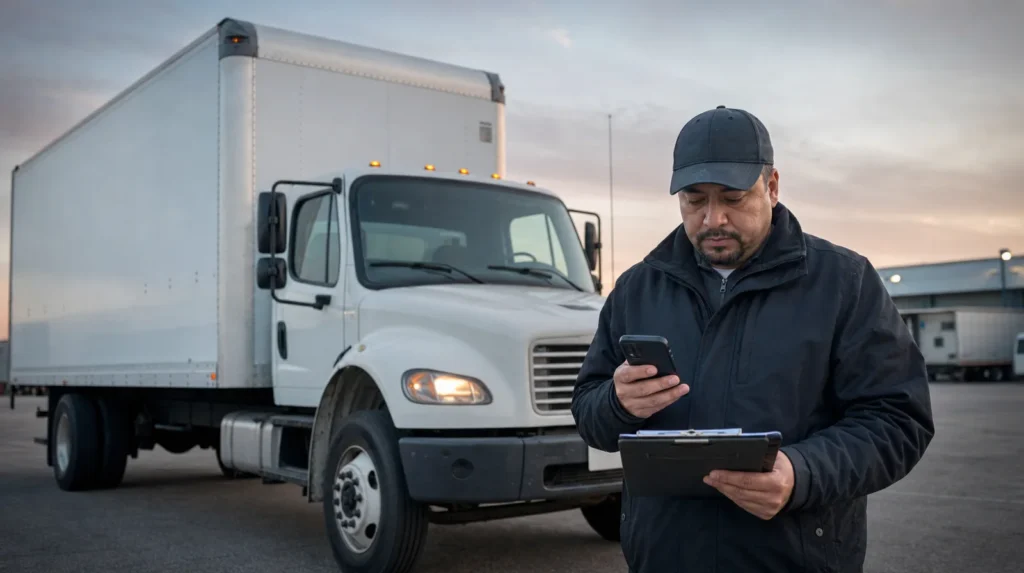
How to Check an Expedite Carrier Before You Sign On
How to read a carrier's SAFER snapshot, check its authority and insurance filings, weigh its inspection and crash record, and what the lease has…
Read the guide →
Detention, Layover and TONU: How to Get Paid for the Wait
What detention, layover and TONU mean, where the terms have to be written down, what to record at the dock, and how to put…
Read the guide →
Proof of Delivery: The Paperwork That Gets a Load Paid
What a POD is, how it relates to the bill of lading, what to check at delivery, how to write up shortage or damage,…
Read the guide →
Box Truck and Cargo Van Dispatch Services: What You Pay and What You Get
How dispatch services price their work, what the fee should and should not buy, when a dispatcher legally becomes a broker, and how it…
Read the guide →
UCR Registration for Small Carriers: Who Files, What It Costs, When
Who has to file UCR, what it costs by fleet size in 2026 and 2027, when to register, how a van under 10,001 lb…
Read the guide →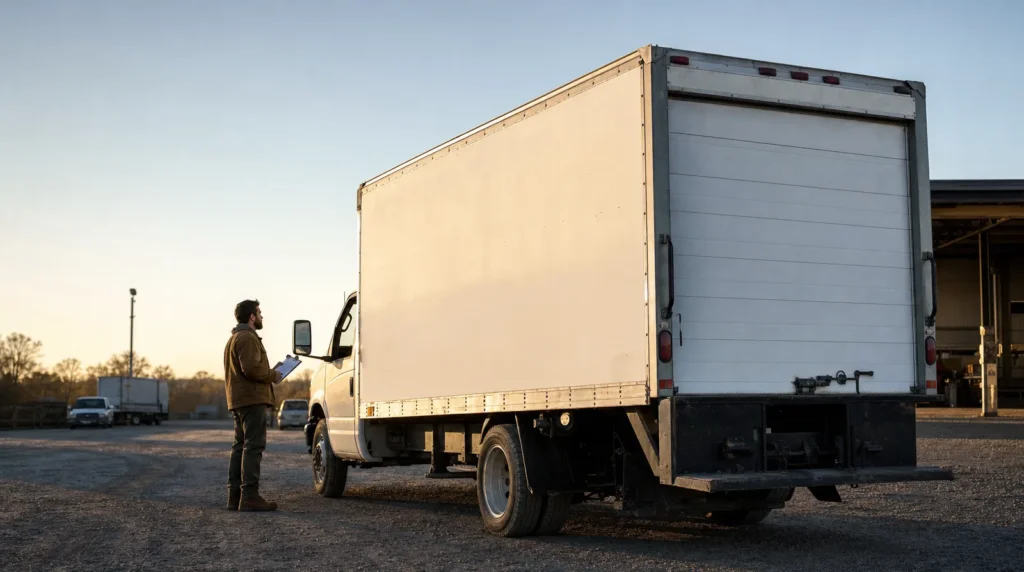
Starting a Box Truck Business: The First 90 Days
What to do in the first 90 days with a box truck: choosing your own MC or a carrier's, setup before the first load,…
Read the guide →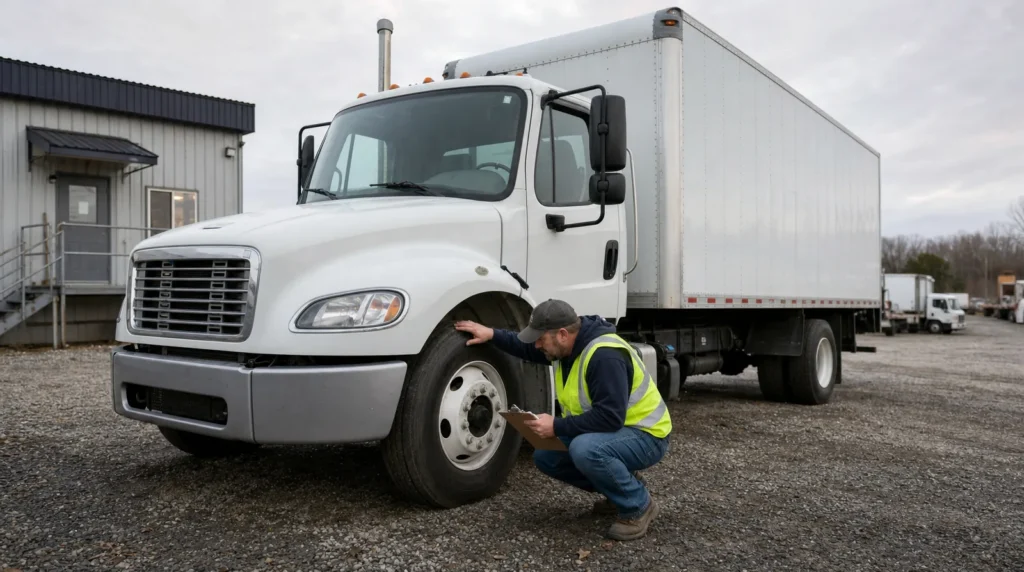
New Entrant Safety Audit: What a First Year Carrier Gets Checked On
What the FMCSA new entrant safety audit checks in your first 18 months under your own authority, the 16 violations that fail it, how…
Read the guide →
Cargo Van, Sprinter and Box Truck Owner-Operator Jobs: What the Posting Leaves Out
What a cargo van, Sprinter or box truck owner-operator posting leaves out: pay basis, whose authority, insurance, escrow and charge-backs, deadhead and detention, and…
Read the guide →
Box Truck and Cargo Van Loads: Where Owner-Operators Find Freight
Where box truck and cargo van freight actually comes from: load boards and what their tiers include, posting your truck, checking brokers against the…
Read the guide →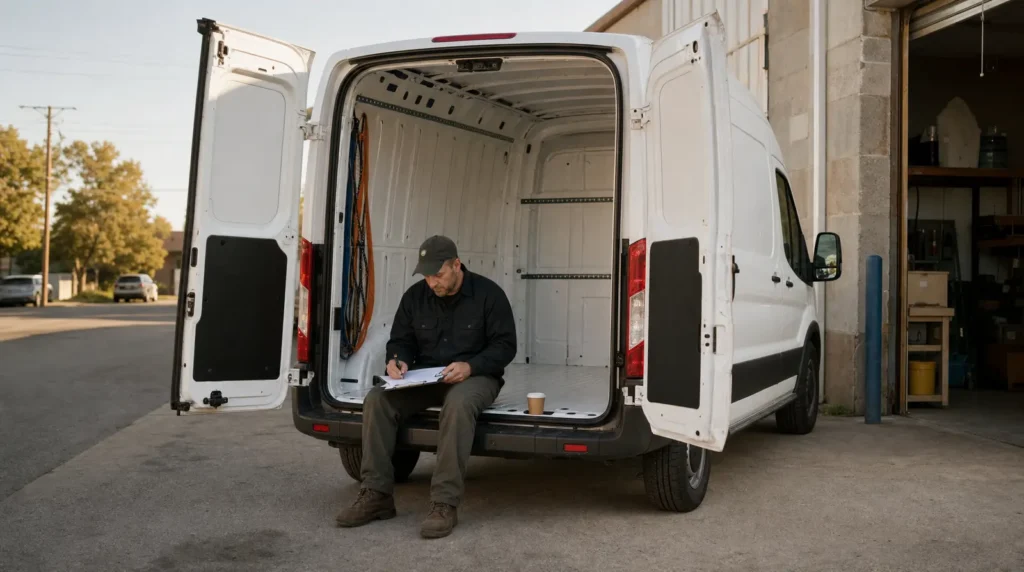
Starting a Sprinter Van Business: What the First Six Months Cost
The first six months are a cash flow problem, not a purchase problem. You pay for fuel today and get paid in thirty to…
Read the guide →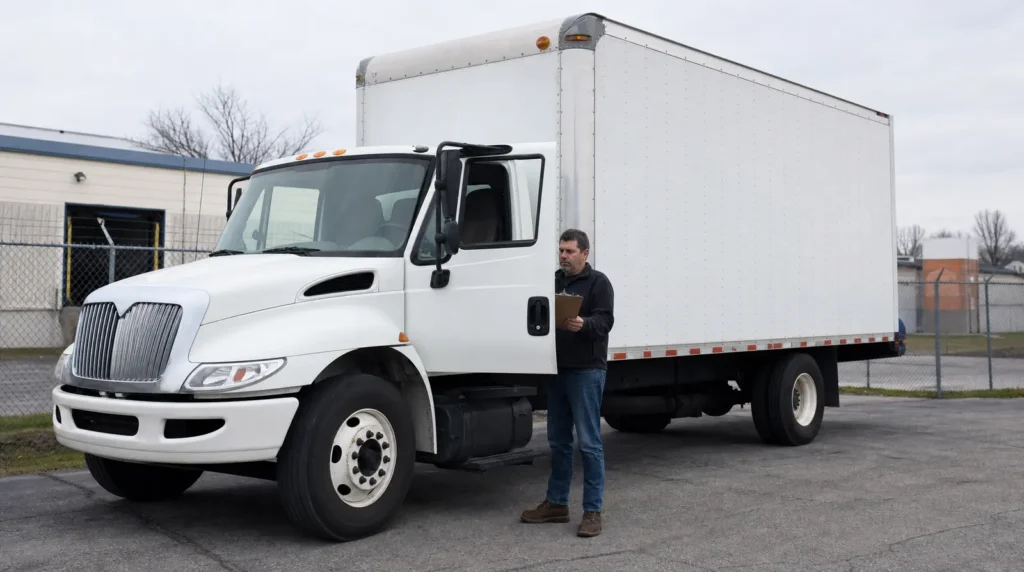
Non-CDL Box Truck: What You Need to Run Legally
Non-CDL is a rating of 26,000 pounds or less, not an exemption from regulation. What still applies over 10,000 pounds in interstate commerce: USDOT…
Read the guide →
Owner-Operator Tax Deductions: What You Can Actually Write Off
Fuel, maintenance, insurance and compliance come off the top. The truck comes off through depreciation, and the per diem only counts on days away…
Read the guide →
Owner-Operator Fuel Cards: Which One Actually Saves You Money
The discount in the advertisement is the best case, not the average. How retail minus and cost plus pricing differ, why a truck stop…
Read the guide →
What Owner-Operator Insurance Actually Costs
Insurance is the second largest fixed cost most expedite owner-operators carry. Which policies you actually buy, who pays for what when you lease on,…
Read the guide →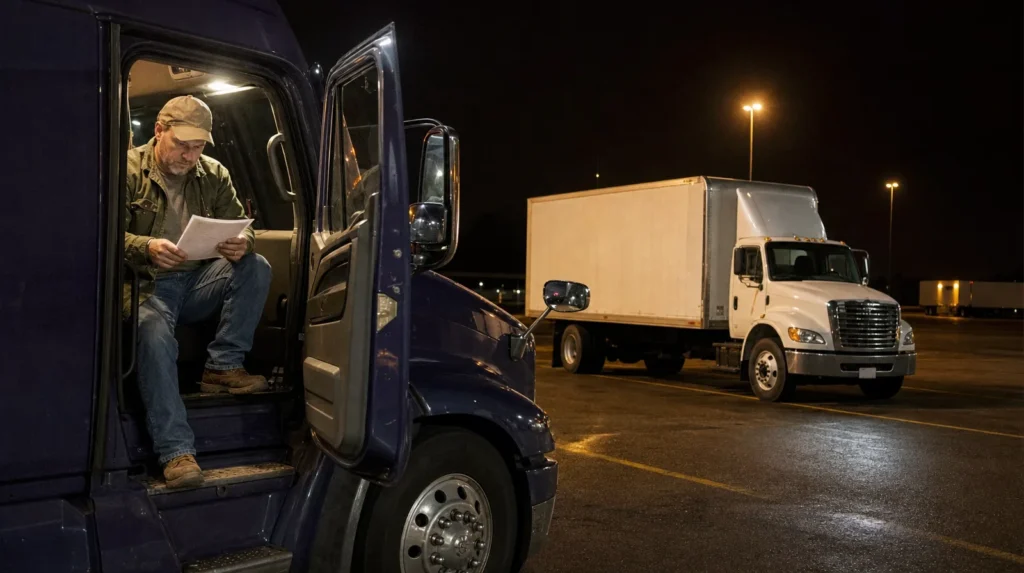
Owner-Operator Contracts: How to Find Them and What to Check
A contract in expedite is an agreement about how you get paid and who is responsible for what, not a promise of freight. Where…
Read the guide →
How to become an owner-operator with SuntransExpress
What you need to lease on, how long the paperwork takes, and what the first week of dispatch looks like.
Read the guide →
Do You Need Your Own MC Authority to Drive Owner-Operator?
You can run under your own MC authority or under a carrier's. Own authority means full control and the full compliance load; running under…
Read the guide →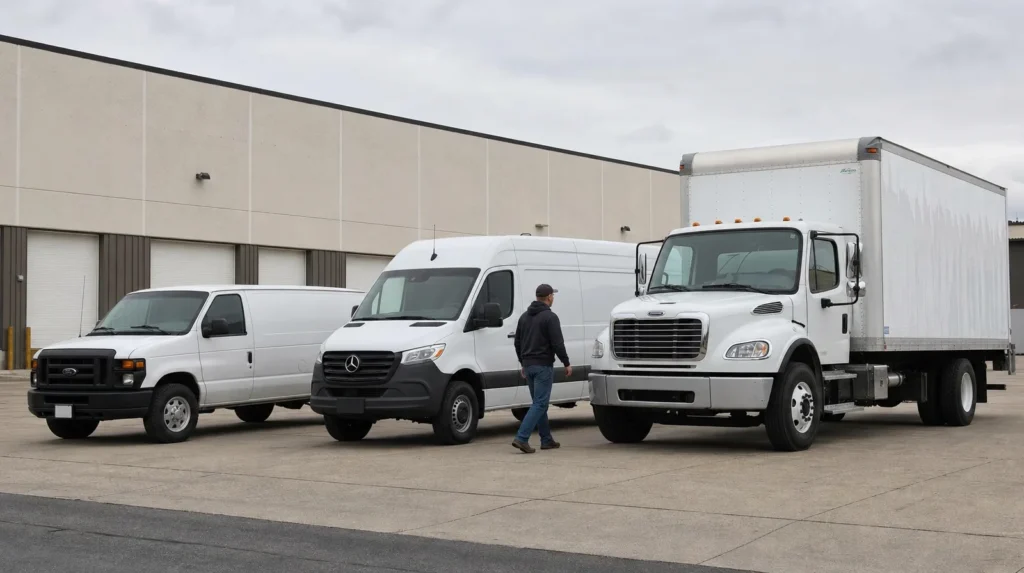
Cargo van, sprinter or box truck: choosing your first unit
Payload, cost and the loads each unit can actually take, and why the biggest truck is rarely the right first one.
Read the guide →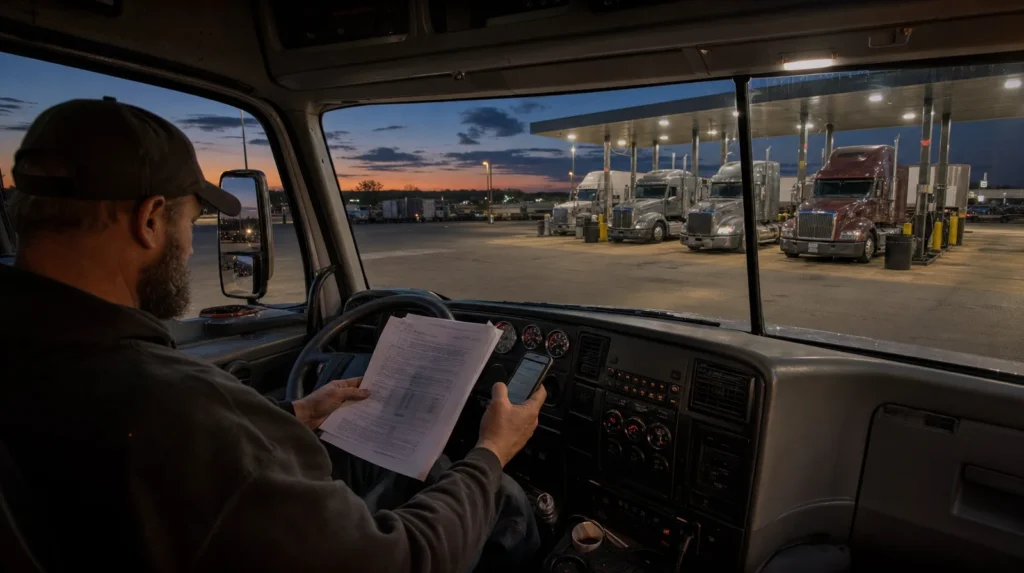
What owner-operators actually earn on expedited freight
How expedited rates are built, which costs eat the difference, and what separates the operators who earn from the ones who just drive.
Read the guide →The day-to-day reality: life on the road as an expedited owner-operator
Ready to put this to work?
If you’ve got the equipment and the drive, we’ve got the loads. Weekly pay, 24/7 dispatch support, and nationwide opportunities, with or without your own MC authority.