Proof of Delivery: The Paperwork That Gets a Load Paid
The short answer
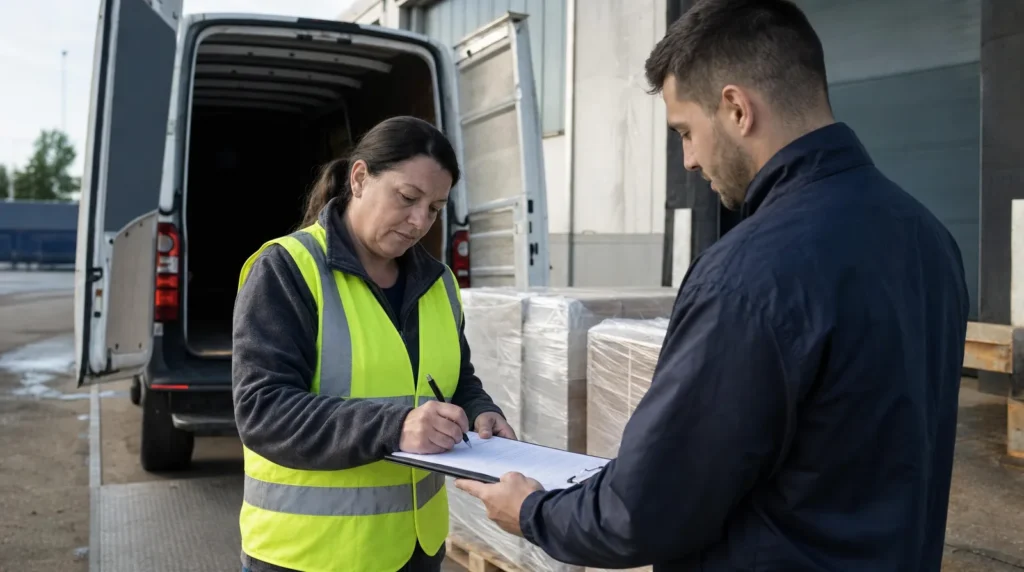
A proof of delivery, or POD, is the record that the freight reached the consignee and that someone there accepted it. In trucking it is usually the bill of lading, signed and dated by the receiver at delivery, with any shortage or damage written on it. Sometimes it is a separate delivery receipt or an electronic signature captured on a phone or tablet.
The POD is the document that turns a finished delivery into money. Brokers, shippers and factoring companies generally want it before they pay, and a load without a clean, readable POD tends to sit in someone’s queue. This guide covers what the POD has to show, what to check before you leave the dock, how to write up a short or damaged load, and how the paperwork moves from your cab to your settlement.
Bill of lading and proof of delivery
The two documents are related but not the same. The bill of lading is issued when the freight is picked up. Federal law says a carrier “shall issue a receipt or bill of lading for property it receives for transportation,” and that carrier is liable for the actual loss or injury to the property (49 U.S.C. 14706). Under 49 CFR 373.101, that receipt or bill of lading has to show:
- the names of the consignor and consignee
- the origin and destination points
- the number of packages
- a description of the freight
- the weight, volume or measurement, if it matters to the rate
The proof of delivery is that same paperwork closed out at the other end. Most of the time the receiver signs the delivery copy of the bill of lading, so the BOL becomes the POD. Some receivers use their own receiving form instead, and some shippers send a separate delivery receipt with the load. Whatever the form, the piece count and description on it should match what the BOL says you picked up. If they do not match, that difference needs to be written down at the dock.
What to check before you leave the dock
Every missing item on this list is a reason for someone to hold your invoice. Check the paper before the receiver walks away, not when you are back in the cab:
- A signature. From someone at the consignee, not you.
- A printed name. A scribble alone does not tell anyone who accepted the freight. Ask the receiver to print it next to the signature.
- The date and time of delivery. If you had to wait, write your arrival time and the time you were unloaded too. Detention is hard to bill without those times on paper.
- The piece count received. Pallets, cartons or pieces, matching the bill of lading, or with the difference noted.
- Any exceptions. Shortage, overage or damage, written on the document itself, with a count.
- Seal number, if the trailer was sealed. Whether the seal was intact when the doors were opened.
- Your load or PRO number. So the POD can be matched to the right invoice without a phone call.
Then take a clear photo or scan of every page, flat, in good light, with no corners cut off. A blurry picture of a signed BOL can be treated the same as no BOL at all, because nobody can read the name or the count.
Looking for freight that pays weekly?
Apply with SuntransExpress and choose your path on the form: run under SuntransExpress authority, or keep your own MC and haul our freight.
When the load is short or damaged
If the receiver finds a crushed carton or two pallets fewer than the BOL lists, the right move is to write it on the POD at the time, not to argue about it later. Something like “2 cartons crushed, contents not inspected” or “received 10 of 12 pallets” with the receiver’s signature beside it is specific enough to be useful.
That note is not a claim. Under 49 CFR 370.3, “notations of shortage or damage, or both, on freight bills, delivery receipts, or other documents” are not, standing alone, enough to count as a filed claim. A claim is a separate written demand that identifies the shipment, asserts liability and asks for a specified or determinable amount of money. What the note does is fix the facts at the moment of delivery, which is what both sides will look at if a claim does follow.
If a claim is filed against the carrier, federal rules set the clock:
- The carrier has to acknowledge a written claim within 30 days of receiving it, unless it pays or declines it in writing within that time (49 CFR 370.5).
- It has to “pay, decline, or make a firm compromise settlement offer in writing” within 120 days, or explain in writing why it cannot (49 CFR 370.9).
- A carrier may not give a claimant less than 9 months to file a claim, or less than 2 years to sue after the claim is disallowed in writing (49 U.S.C. 14706(e)).
Under those deadlines a claim can stay open for months. A photo of the freight as it came off the truck, the seal and the signed exception notes is what makes the account in your favor checkable. If you run under your own authority, the claim is against your MC and your cargo insurance, so this paperwork is yours to keep.
How the POD gets you paid
The route from signed paper to money depends on how you run.
Under your own MC, hauling for a broker. You invoice the broker with the rate confirmation and the signed POD. A registered broker also keeps its own record of every load, which under 49 CFR 371.3 includes “the bill of lading or freight bill number” and “the date of payment to the carrier,” and each party to the load has the right to review that record. If you factor your invoices, the factoring company usually wants the same POD before it advances money, and an unreadable copy can get the submission sent back.
Leased to a carrier. The carrier collects from the shipper or broker and pays you under the lease. The federal leasing rule, 49 CFR 376.12, sets two limits that matter here. Payment has to come “within 15 days after submission of the necessary delivery documents,” and the paperwork a carrier can require before paying “is limited to log books required by the Department of Transportation and those documents necessary for the authorized carrier to secure payment from the shipper.” In other words, the delivery paperwork you turn in is what starts that clock. If your pay is a percentage of the load, the same rule entitles you to a copy of the rated freight bill at or before settlement.
Either way, the fastest habit is the simple one: send the POD the day you deliver, from the dock or the next stop, rather than saving a week of paperwork for Friday.
Electronic POD and photos
Some receivers sign on a screen, and many carriers and brokers accept a photo or scan of the paper BOL sent from an app. The federal E-SIGN Act (15 U.S.C. 7001) says that for a transaction in interstate commerce, a signature or record “may not be denied legal effect, validity, or enforceability solely because it is in electronic form.” That covers the form of the signature. It does not decide what a particular broker or carrier will accept, so check their instructions for submitting paperwork before the first load.
An electronic POD has the same job as a paper one. It still needs the receiver’s name, the date and time, the piece count and any exceptions. A tap on a screen with no name and no count proves little more than a blank page.
Mistakes that hold up payment
- Leaving before the paper is checked. Once you are gone, getting a missing signature or printed name means calling the receiver and waiting.
- Signing for the receiver. A POD signed by the driver proves nothing about delivery.
- Accepting “subject to count” without a count. If a count is done later, get it written down, or note that the freight was not counted at delivery.
- Exceptions the receiver did not sign. A damage note in your handwriting alone is easier to dispute than one the receiver signed.
- Bad scans. Shadows, cut-off edges, and pages photographed at an angle all get sent back.
- Losing the originals. Keep the paper copies until the load is paid, and keep the scans much longer if a claim is possible, given the 9-month and 2-year windows above.
FAQ
What is a POD in trucking? A proof of delivery: the record that the consignee received the freight, normally the bill of lading signed by the receiver, with the date, time, piece count and any exceptions.
Is the bill of lading the same as a proof of delivery? Not quite. The bill of lading is issued at pickup. It becomes the proof of delivery once the receiver signs the delivery copy. Some receivers use a separate receipt instead.
Who signs the proof of delivery? Someone at the consignee who accepts the freight. The driver signs for the freight at pickup, not at delivery.
What should I do if the receiver refuses to sign? Do not leave the freight without telling whoever dispatched the load, whether that is the broker, the carrier you are leased to or the shipper. Write down the time, the person you spoke to and the reason given, and take photos.
Is a damage note on the POD the same as filing a claim? No. Under 49 CFR 370.3, a notation of shortage or damage on a delivery receipt is not, by itself, a claim. A claim is a separate written demand for a specified or determinable amount.
Is an electronic signature valid as a POD? Under the E-SIGN Act, it cannot be rejected just because it is electronic. Whether a particular broker or carrier accepts a given app or format is set by their own paperwork rules.
What this looks like at SuntransExpress
SuntransExpress works with cargo van, Sprinter and box truck owner-operators on two paths, as set out on our owner-operator page: run under SuntransExpress authority, or keep your own MC and haul our freight. Two of the things we list there are weekly pay and expedited payments: “We ensure fast payment processing, paying you quickly.”
The application asks for your equipment type, the vehicle year and whether you have your own authority, so you can tell us which path fits before we call you with loads. Questions about how settlements work before you apply can go to hr@suntransexpress.com or +1 (941) 337-52-33.
Got questions about running with us? Dispatch will walk you through it. No pressure, no obligation.
Talk to us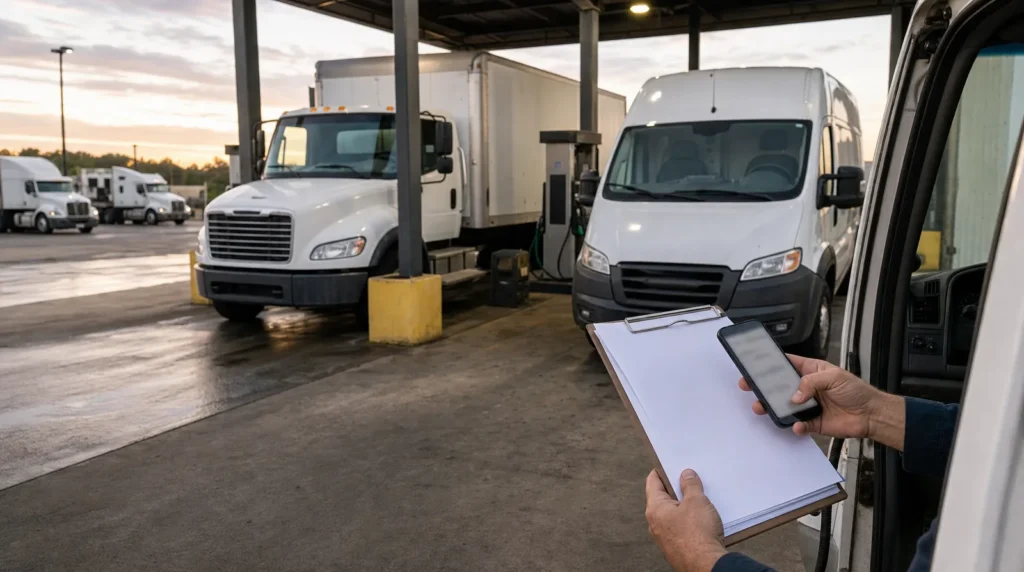
Recourse vs Non-Recourse Freight Factoring
How freight factoring works for van and box truck owners on their own MC, what recourse and non-recourse really cover, and the contract clauses…
Read the guide →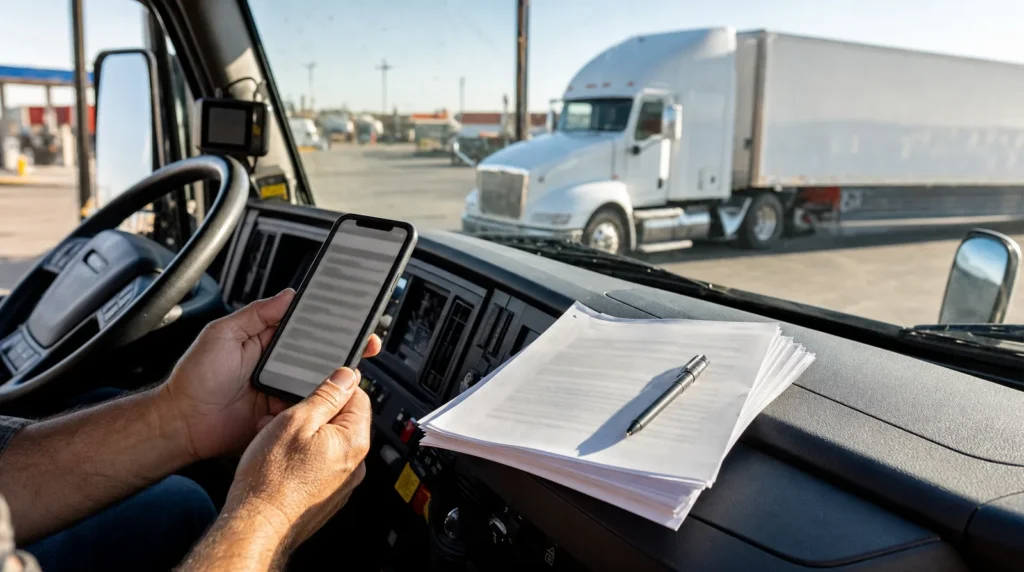
Rate Confirmation: What to Check Before You Haul the Load
A four-pass check of a broker's rate confirmation for van and box truck owners with their own MC: the sender, the load, the money…
Read the guide →
Lumper Fees: Who Pays, and How Owner-Operators Get Reimbursed
Who owes a lumper fee under federal law, how it gets paid at the dock, and the receipt and paperwork you need to get…
Read the guide →Ready to get on the road?
Weekly pay, 24/7 dispatch support, and nationwide expedited loads, with or without your own MC authority.